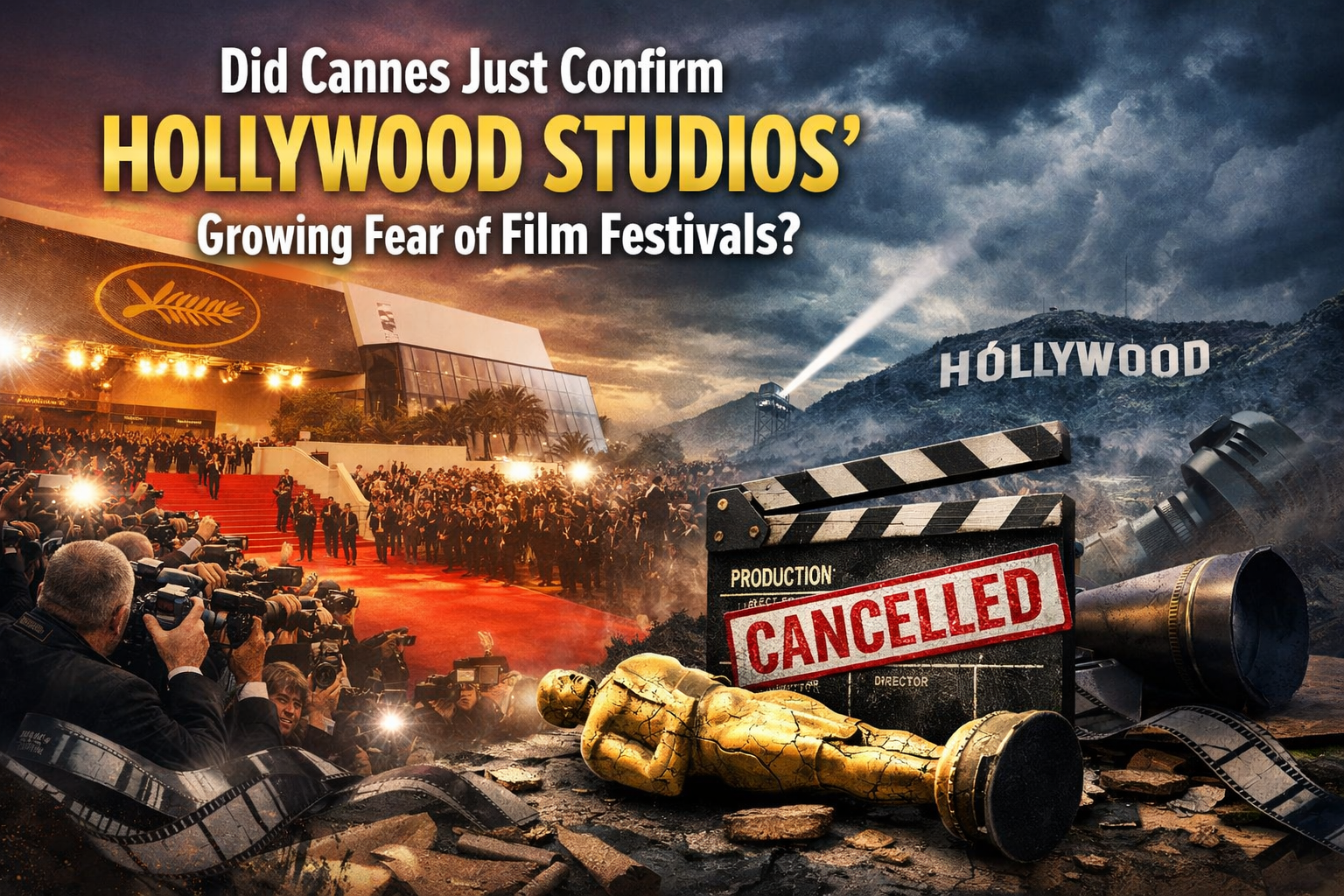
The Current Landscape of Film Festivals and Hollywood Studios
Film festivals have long been a staple of the cinematic calendar, serving as powerful platforms for showcasing new films, facilitating networking among industry professionals, and acting as launchpads for movie premieres. Events like the Cannes Film Festival have traditionally attracted major Hollywood studios eager to benefit from the significant media attention and public interest generated by such prestigious gatherings. However, recent years have witnessed a noticeable shift in this dynamic, raising questions about the evolving relationship between traditional film festivals and Hollywood studios.
Historically, film festivals have provided an invaluable venue for filmmakers to gain recognition and distribution deals. Festivals like Cannes have played an essential role in highlighting diverse storytelling and independent cinema. Yet, the growing reluctance of Hollywood studios to participate in these events has become evident, suggesting a broader trend of decreasing engagement. Factors contributing to this wariness include the changing landscape of film distribution, an increase in streaming platforms, and the perceived risks associated with debuting high-budget films at festivals.
The rise of digital streaming services has shifted how audiences consume films, often prioritizing convenience and immediate access over theatrical releases. In this new environment, Hollywood studios may question the traditional promotional value of film festivals, opting instead for platform releases that capitalize on their established subscriber bases. This transition can detract from the significance of festivals, leading studios to view them as less essential for marketing their films. Furthermore, studios may be concerned about the critical reception at festivals, which could impact box office performance, especially if a film does not resonate with festival audiences.
In sum, while film festivals have historically been integral to the film industry’s ecosystem, the relationship between these events and Hollywood studios is increasingly complex. The perceived risks and shifting priorities may lead studios to reassess their participation in such traditional platforms, reflecting broader changes within the film landscape.
The Rise of Independent Film Production
The film industry has witnessed a significant transformation in recent years, particularly with the rise of independent film production. Independent films, characterized by their lower budgets and creative freedom, have increasingly found a prominent platform at renowned film festivals like Cannes. As mainstream Hollywood studios adapt to a rapidly changing landscape, the success of indie films at these prestigious events is reshaping perceptions of cinematic excellence.
Cannes Film Festival, once dominated by major studio productions, has seen an influx of independent projects that are now capturing the attention of audiences and critics alike. Filmmakers who once felt marginalized by the conventional studio system are finding success by telling unique stories, often exploring themes that resonate on a personal and societal level. This evolution is marked by the emergence of innovative production companies such as Neon and Mubi, which prioritize artistic vision over commercial viability.
Notable indie films like “Parasite” and “The Square” have not only garnered critical acclaim but also won prestigious awards, illustrating that independent projects can compete with big-budget films on the world stage. The recognition of such films at Cannes has delivered a powerful message that artistry can prevail amidst the overwhelming pressures of commercial filmmaking. The strategies employed by indie filmmakers to engage with audiences and push boundaries are challenging traditional narratives, and their impact is becoming more pronounced.
Furthermore, the success of independent productions at festivals like Cannes speaks volumes about shifting industry dynamics. As audiences increasingly seek diverse and authentic storytelling, it is evident that the future of cinema lies in the hands of independent filmmakers. Ultimately, the festival landscape is becoming a vibrant tapestry where innovation thrives, offering a crucial platform for independent voices to share their vision and redefine cinematic success.
Cannes 2026 Lineup: A Shift in Focus
The 2026 Cannes Film Festival promises to mark a significant evolution in its lineup, focusing largely on independent filmmakers and international cinema. Esteemed directors such as Pedro Almodovar and Hirokazu Kore-eda are set to unveil their latest works, reflecting an increasing dedication to the avant-garde and innovative storytelling that transcends traditional Hollywood productions. Their inclusion in the festival highlights a deliberate decision by Cannes to champion artistic expression that is often overlooked by major studios.
This strategic shift can be interpreted as a response to the growing trend of Hollywood’s reliance on formula-driven blockbusters. Thierry Fremaux, the festival’s artistic director, has emphasized in recent interviews that Cannes seeks to prioritize originality and creativity over commercial success. This recalibration invites filmmakers whose narratives challenge societal norms or offer poignant reflections on contemporary issues, thereby enriching the festival’s cultural landscape.
The implications of such a lineup extend beyond the festival itself. By showcasing international auteurs, Cannes is not only elevating the profiles of these filmmakers but also fostering a competitive environment among Hollywood studios. The festival’s dedication to independent voices serves as a reminder that compelling storytelling can, and should, challenge the status quo of entertainment. As audiences become increasingly accustomed to diverse narratives introduced at prominent festivals, the pressure mounts on Hollywood to diversify its offerings.
In essence, the Cannes 2026 lineup signals a potential turning point in how mainstream cinema engages with artistic creativity. The festival’s commitment to independent projects may encourage Hollywood to reassess its own production strategies. Ultimately, this evolution reflects broader shifts in audience preferences and a desire for substantive cinema that resonates on a global scale.
The Future of Hollywood and Film Festivals
The intersection of Hollywood studios and film festivals is currently experiencing a transformative phase, particularly illustrated by the recent decline in participation at prominent events like the Cannes Film Festival. This trend raises pertinent questions regarding the future dynamics of these esteemed gatherings. Many industry professionals speculate that the growing apprehension among studios towards traditional film festivals may prompt a re-evaluation of their role in the promotion and distribution of cinematic works.
As more studios contemplate forgoing these festivals in favor of alternate promotional strategies, it signals a potential shift in how films are showcased to audiences. This shift could lead to studios investing in more direct marketing avenues, including digital platforms and exclusive online releases, which may resonate more effectively with contemporary viewership habits. The convenience and reach of streaming services are undeniably attractive options, especially for studios aiming to maximize audience engagement without the constraints of festival schedules.
However, it is essential to recognize the vital role that film festivals have historically played in shaping cinematic culture and fostering a dialogue between filmmakers, critics, and audiences. Festivals provide a unique space for artistic expression and can elevate independent films, often introducing groundbreaking narratives that may otherwise go unnoticed in a crowded marketplace. As such, it is conceivable that film festivals will adapt to this changing landscape, potentially reimagining their formats to cater to the shifting priorities of Hollywood studios.
In conclusion, while the current trend of declining studio attendance at film festivals is noteworthy, it also opens the door for new possibilities. The future of Hollywood and film festivals will depend significantly on how both entities navigate this evolving relationship, balancing traditional cinematic values with innovative approaches to film promotion and distribution. As the industry progresses, it remains to be seen whether festivals will continue to hold significance in a world that increasingly embraces digital avenues for storytelling.