
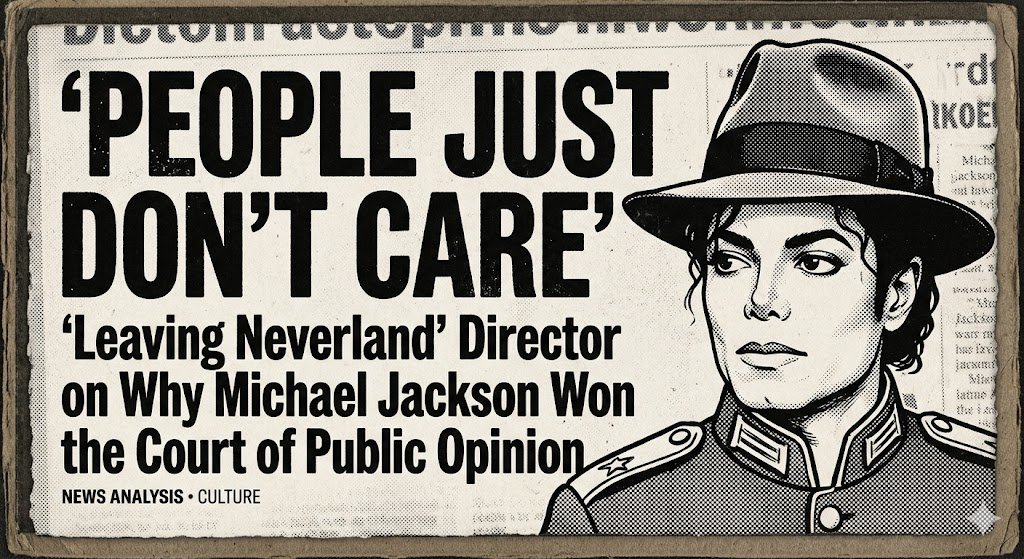
Introduction: The Controversy Surrounding Michael Jackson
Michael Jackson, often referred to as the “King of Pop,” remains one of the most influential figures in the music industry, yet his legacy is marred by allegations of child sexual abuse. Over the decades, Jackson faced intense scrutiny over claims that have plagued his name since the early 1990s. These allegations took a new turn with the release of the 2019 HBO documentary, Leaving Neverland, which presented harrowing testimonies from Wade Robson and James Safechuck, two individuals who claimed to be sexually abused by Jackson during their childhood.
In Leaving Neverland, Robson and Safechuck recount their experiences with Jackson in graphic detail, suggesting a pattern of manipulation and exploitation that began when they were young children. The documentary sparked fierce debate and polarized public opinion, reigniting a longstanding controversy regarding the pop icon’s behavior and the credibility of his accusers. While some viewers expressed empathy for Robson and Safechuck, others vehemently defended Jackson, viewing the documentary as an assault on his reputation and legacy.
This ongoing controversy raises significant questions about the intersection of celebrity culture and accountability. It compels audiences to consider how society responds to allegations of such gravity against a beloved figure. The public’s reaction, influenced by various factors including personal attachments to Jackson’s music and contributions to entertainment, illustrates the complexity of human relationships with their icons. Moreover, Hollywood’s reaction to these claims further complicates the narrative, revealing a landscape where artistic legacy and personal morality often clash.
As we delve deeper into the public’s response and the implications for future endeavors such as Jackson’s upcoming biopic, it is crucial to reflect on how these allegations shape our understanding of his legacy and the broader societal implications of such controversies.
The Impact of ‘Leaving Neverland’ on Michael Jackson’s Legacy
‘Leaving Neverland’, the documentary released in early 2019, significantly impacted the public’s perception of the late pop icon Michael Jackson. The film featured interviews with two men, Wade Robson and James Safechuck, who alleged that Jackson had sexually abused them during their childhood. The stark revelations presented in the documentary ignited a wave of controversy and discussion surrounding Jackson’s legacy.
Upon its release, ‘Leaving Neverland’ garnered critical acclaim, receiving awards and nominations for its candid portrayal of sensitive subjects. This acknowledgment by institutions and the media helped to amplify the discussions around sexual abuse, particularly regarding the influence of celebrity within such narratives. Critics had mixed reactions; while some were supportive of the documentary’s revelations, others vehemently defended Jackson’s legacy, asserting his innocence.
Jackson’s estate reacted strongly to the documentary, denouncing it as a “character assassination” and claiming that it perpetuated false allegations. This defense caused a polarized response among fans and the general public, with many wrestling with their fondness for Jackson’s music alongside the serious accusations. Indeed, discussions stemming from the documentary prompted many to reevaluate their consumption of his music and performances, often sparking a moral dilemma between admiring artistic talent and recognizing the darker elements of an artist’s life.
The release of ‘Leaving Neverland’ was more than just an exposé; it was a catalyst for broader cultural conversations about sexual abuse, the societal implications of celebrity, and the accountability that should come with fame. Consequently, audiences were pushed to confront their own beliefs regarding Jackson’s artistry, leading to both renewed interest in his work and calls for accountability within the entertainment industry.
The Rise of Michael Jackson’s Popularity Post-‘Leaving Neverland’
In the years following the release of ‘Leaving Neverland’, which brought forth serious allegations against Michael Jackson, an unexpected resurgence of his popularity has been observed. Numerous factors contribute to this paradox, wherein public interest seems to thrive despite the controversies surrounding his legacy.
One significant indication of this resurgence is the remarkable increase in Jackson’s streaming numbers. According to various reports, his music experienced a sharp uplift in streams on platforms such as Spotify and Apple Music shortly after the documentary’s debut. Fans and newcomers alike began to revisit his vast catalog, encompassing hits that defined multiple generations. This growth in listening figures suggests that many are drawn to his artistry, sometimes viewing it distinct from the allegations leveled against him, indicative of a complex relationship between artist and audience.
Furthermore, the theatrical production ‘MJ the Musical’ opened to critical acclaim, successfully highlighting the life and work of Michael Jackson in a way that resonated with audiences. The show not only celebrated his extensive contributions to music and dance but also contributed to the narrative of his enduring influence. By translating his legacy into a live performance format, ‘MJ the Musical’ allowed fans to engage with Jackson’s work actively, thereby fostering a renewed interest in his performances and artistry.
In addition to the success of the musical, the upcoming biopic titled ‘Michael’ is highly anticipated and adds another layer of intrigue to his legacy. This film aims to depict the life of the star and is projected to attract significant attention, both for its subject matter and the discourse it will inevitably generate regarding the dichotomy of the artist and the allegations against him. Overall, these factors illustrate that despite the challenging topics surrounding Michael Jackson, his music and artistry continue to resonate with a significant segment of the public, leading to a notable resurgence in his popularity.
Critical Reflections on Dan Reed’s Perspective
Dan Reed, the director of the documentary Leaving Neverland, has offered significant insights into the complex intersection of ethics, representation, and the film industry, particularly in regard to controversial figures like Michael Jackson. Reed’s work brings to the forefront the challenges facing Hollywood as it grapples with the ethical implications of showcasing narratives that are fraught with serious allegations. His reflections serve to question not just the truthfulness of the representations but also the responsibilities of filmmakers in presenting such sensitive material.
Reed’s examination of the legal battles surrounding Leaving Neverland illustrates the tensions between artistic freedom and the protection of individuals’ rights against potentially damaging portrayals. In the face of legal challenges, Reed has maintained that his aim was to shed light on the experiences of the alleged victims rather than to vilify Jackson without grounds. This assertion highlights a crucial aspect of artistic representation: navigating the delicate balance between factual storytelling and personal interpretation in cinema.
Moreover, Reed’s commentary touches on the larger societal context within which such narratives are produced and consumed. The phenomenon of audiences flocking to films and documentaries that feature controversial subjects raises ethical questions about collective accountability. As viewers, there is a moral imperative to critically engage with the content rather than simply seeking entertainment. Reed implies that Hollywood’s portrayal of figures like Jackson often invites audiences to overlook severe allegations in favor of their star power and legacy. In essence, Reed advocates for a more conscious consumption of media that challenges the status quo and encourages reflection on the implications of our entertainment choices.