
Introduction to PÖFF and its Showcasing of Films
The Tallinn Black Nights Film Festival, commonly known as PÖFF, is an esteemed cultural event that has made a significant mark in the film industry since its inception in 1997. This annual festival draws cinephiles and filmmakers from across the globe to celebrate the art of cinema, providing a platform for innovation and diversity in storytelling. PÖFF not only showcases films from numerous genres but also emphasizes emotional depth and artistic expression, which is especially relevant in the younger generations of filmmakers.
A key feature of this festival is the ‘PÖFF Goes to Cannes’ showcase, which serves as a vital bridge for emerging filmmakers to present their work on an international stage. This important division of the festival specifically highlights films that encapsulate profound narratives, such as the poignant tales found in ‘Dead Dad Girl’ and the stirring saga of the burned-out ballerina. These narratives often explore complex emotional themes that resonate deeply with audiences, facilitating a connection that goes beyond mere entertainment.
The significance of PÖFF extends beyond just screening films; it creates a community of creatives and enthusiasts. Over the years, the festival has evolved to include a wide variety of programs and collaborations with international organizations, turning it into an essential gathering for talent scouting, networking, and discussion about the future of cinema. Moreover, the festival fosters local talent and encourages cultural exchange, thereby enriching the cinematic landscape in Estonia and beyond.
Understanding the Themes in ‘Dead Dad Girl’ and the Burned-Out Ballerina
The thematic exploration in films such as ‘Dead Dad Girl’ and the narrative surrounding the burned-out ballerina provide a fertile ground for understanding the complexities of human emotion, particularly focusing on grief, loss, and the relentless pursuit of artistic perfection. In ‘Dead Dad Girl,’ the protagonist grapples with the emotional aftermath of her father’s death, which manifests in a series of poignant moments that highlight her struggle to find meaning amidst her pain. The film’s nuanced portrayal of grief allows viewers to empathize with her loss, as it is depicted not only as a personal tragedy but also as a catalyst for her creative expression.
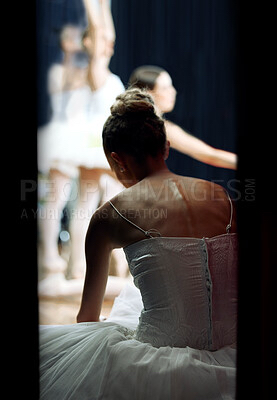
Conversely, the story of the burned-out ballerina delves into the pressures faced by those within the performing arts. It elucidates the high stakes in the world of ballet, where physical limitations and mental health challenges converge. This character’s journey underscores the often harsh realities of striving for perfection and the toll it takes on the psyche. Through a blend of visual storytelling and character development, the film intricately weaves a narrative that mirrors the emotional depth experienced by those caught in the throes of artistic ambition.
Both films masterfully employ narrative arcs that invite the audience into the minds of their characters. The moments of vulnerability experienced by the protagonists evoke a strong emotional response, reminding viewers of their own encounters with loss and the sacrifices made for the sake of creativity. As these stories unfold, they reveal not just individual struggles, but also a broader commentary on society’s expectations of emotional resilience. The exploration of these themes facilitates a deeper understanding of how art and emotion interconnect, engaging audiences on an intimate level and prompting deeper reflections on their own lives.
Filmmakers Behind the Stories: Spotlight on Directors and Writers
In the realm of contemporary cinema, the roles of directors and writers stand paramount, driving the emotional narratives seen in films like Dead Dad Girl and the poignant depiction of the burned-out ballerina. These creators, often drawing from personal experiences, utilize their unique perspectives to weave stories that resonate deeply with audiences.
In Dead Dad Girl, director Zoe Nguyen has infused her work with memories and reflections from her childhood. Nguyen states, “Creating this film has been a journey through the alleys of my past, and I hope it allows others to confront their own emotions.” Her background as a storyteller is rich, characterized by previous short films that explored loss and identity, themes that are prevalent in her latest feature.
Similarly, the writer and director of the ballerina film, Lucas Grant, presents a narrative steeped in the realities of the performing arts. Grant’s extensive background in ballet, paired with his experience in film, enables him to portray the depth of dedication and emotional toll experienced by artists. He explains, “This film isn’t just about dance; it’s an exploration of the sacrifices artists make and the price of passion.” Grant’s earlier work was often centered around themes of ambition and struggle, which aligns seamlessly with the psychological demands faced by performers in his current project.
Both filmmakers demonstrate a commitment to authenticity, often collaborating with industry professionals to ensure their stories are vividly portrayed. Interviews reveal a common thread among contemporary directors: the reliance on collaborative efforts that allow personal narratives to evolve into universal stories. Such dedication fosters an environment where heartfelt storytelling thrives, ultimately enriching the cinematic experience.
Impact of PÖFF Goes to Cannes on Emerging Cinema
The PÖFF Goes to Cannes showcase serves as a vital conduit for emerging filmmakers to gain visibility and recognition in an increasingly competitive cinematic landscape. By providing a platform for lesser-known narratives, this festival not only cultivates talent but also amplifies diverse stories that resonate with broader audiences. As filmmakers present their work at PÖFF Goes to Cannes, they are often met with the opportunity to engage with industry professionals, critics, and audiences alike, fostering invaluable connections that can propel their careers forward.
Moreover, the impact of such platforms extends beyond individual success; they contribute significantly to the global cinema landscape. Film festivals like PÖFF Goes to Cannes promote cultural discourse by highlighting films that tackle pressing social issues and explore various cultural perspectives. This exposure allows for a rich exchange of ideas, challenging mainstream narratives and making room for innovative storytelling. As filmmakers from different backgrounds share their unique experiences, the festival becomes a melting pot of creativity, stimulating dialogue and understanding among attendees.
In a time where artistic expression is crucial, events like PÖFF Goes to Cannes play a pivotal role in shaping the future of cinema. They encourage emerging filmmakers not only to tell their stories but also to do so in ways that resonate on a global scale. By championing new voices, the festival contributes to a more inclusive representation in film, ensuring that various perspectives are acknowledged and celebrated. Ultimately, PÖFF Goes to Cannes reflects the evolving nature of cinema, inspiring both creators and audiences to engage with art that reflects the complexities of our time.